What Clean Eating Actually Means for Real Families
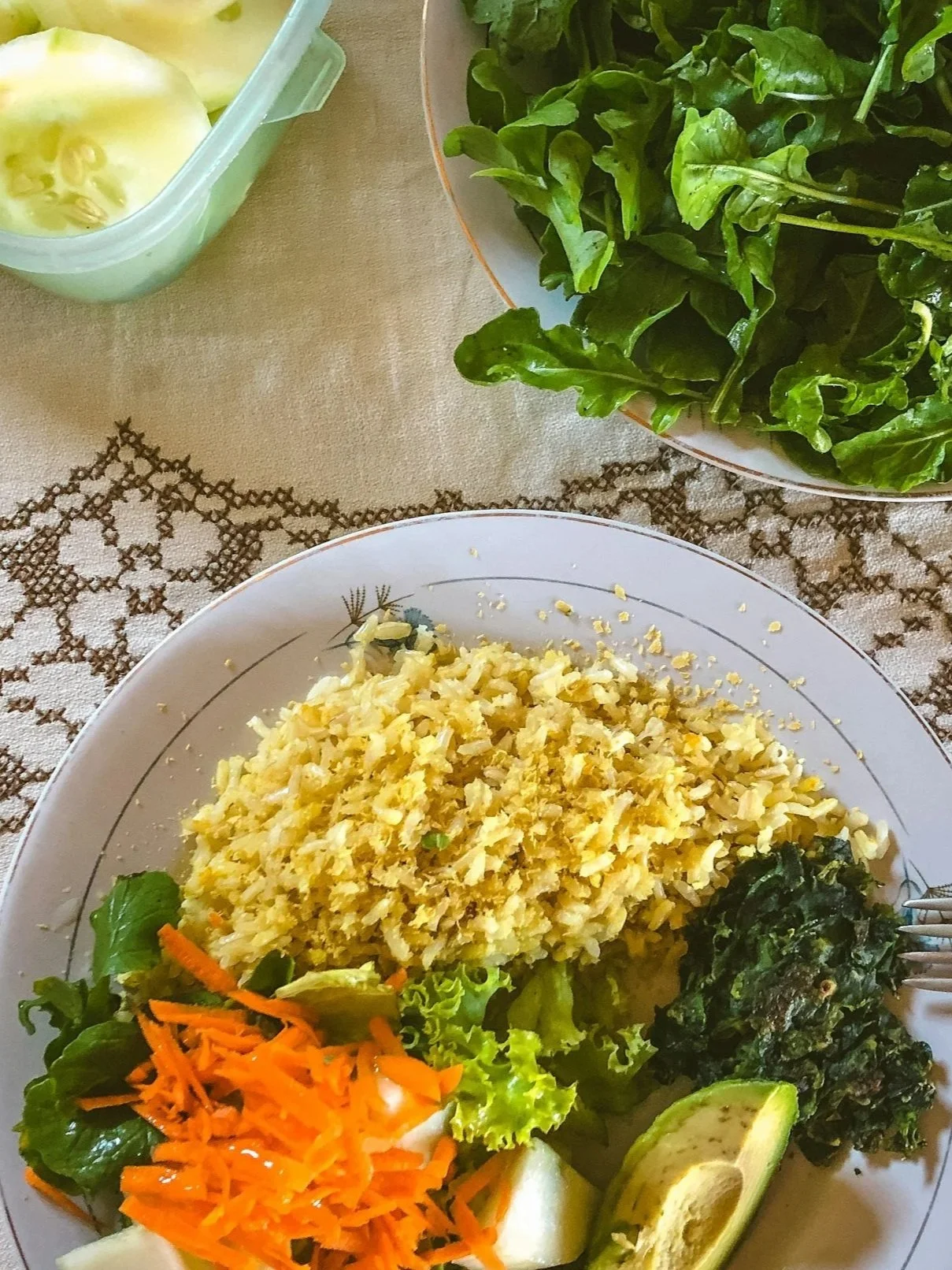
“It builds a home where nourishing choices are normal, not forced, no deprivation.”
Clean eating isn’t perfection, it’s progress made over time.
It starts with a simple realization: what you put into your body directly impacts how you feel and your long-term health. Simple, but not always easy.
Busy schedules, kids, cravings, grocery stores, information overload, and decision fatigue are real challenges. It’s much easier to prioritize clean eating when your babies are just starting solids. But once school starts? The pressure is real. The snacks other kids bring. Birthday parties. Team events. Grandparents with different opinions. And then there’s social media where every meal looks homemade, organic, and beautifully plated.
Clean eating online can look like a full-time job.
But in real life? It starts today. With small, manageable steps. Tiny shifts that compound over time.
We don’t need to “start over Monday.” We need a system that works on a Wednesday through the weekend, through birthday parties, through holidays.
Clean eating isn’t a short-term reset. It’s a mindset shift. A lifestyle. And once you experience the difference in your energy, digestion, and mood, it’s not something you’ll want to walk away from that easily.
So let’s start with what it actually means.
What Clean Eating Really Means
Clean eating is choosing foods that are:
Mostly whole or minimally processed
Made with recognizable ingredients
Balanced (protein + fiber + healthy fats)
Supportive of steady energy, digestion, and long-term health
What it’s not:
A diet or detox
Eating perfectly
Cutting out every food your family loves
Complicated recipes or expensive “health” products
It’s about eating more real food, more often.
“Healthy” Doesn’t Always Mean Clean
Don’t be fooled by clever packaging.
Walking through the newly renovated “Naturals” aisle at my local grocery store, I was excited to see more aisles and more product offerings. I thought, “Wow, people must be demanding better options.”
But as I read labels, I realized many products were still highly processed, just marketed differently. Gluten-free. Vegan. Plant-based. Low fat. Those labels don’t automatically mean nourishing.
Many ultra-processed foods, even the ones positioned as “health” foods, contain long lists of additives, refined oils, and added sugars. Over time, a steady intake of heavily processed foods can contribute to inflammation, unstable energy, digestive issues, and metabolic stress.
The health and wellness world is still an industry. Companies market what sells. That’s not inherently bad, but it does mean we need to be informed consumers.
Here’s a quick reminder checklist when at the grocery store :
Are the ingredients hard to pronounce?
Is sugar in the top three ingredients?
Could you reasonably make something similar at home?
If you answer yes to all three, then it likely shouldn’t come home with you.
It’s simple. It just takes practice.
Let’s Talk Sugar (Without Being Extreme)
Sugar is everywhere. Snacks, sauces, yogurt, cereal, drinks, even in those foods marketed to kids as “healthy.”
Not all sugar is created equal, however, and this isn’t about eliminating it forever. But added sugar adds up quickly. Too much can impact energy, mood, focus, and cravings. For kids especially, highly sweetened foods can recalibrate their taste buds, making naturally sweet foods less appealing.
Sugar stimulates dopamine, the brain’s reward chemical, which is why it’s easy to want more and more. It becomes a cycle.
A clean eating approach to sugar is moderate and sustainable. It means:
Reducing daily added sugar most of the time
Choosing naturally sweet options like fruit
Opting for less processed treats
Over time, your palate adjusts. Ultra-sweet foods become less appealing.
Simple swaps:
Instead of flavoured yogurt, opt for plain Greek yogurt + berries + drizzle of honey
Instead of juice, opt for water with fruit slices or sparkling water (flavour or no)
Instead of granola bars, opt for trail mix or cheese + fruit
Instead of sugary cereal, opt for eggs + toast, chia pudding, unsweetened granola blends
No extremes. Just awareness and better choices more often.
Gut Health: The Foundation
Clean eating matters most because of what it does for your gut. This truly is foundational.
Your gut contains trillions of microorganisms that influence digestion, immune function, metabolism, and even mood. A diverse, balanced gut microbiome helps your body absorb nutrients efficiently and regulate inflammation.
When you improve your eating habits, you will notice:
Less bloating or stomach aches
More regular digestion
More stable energy
Fewer cravings
Improved mood
Main ways to support gut health:
Proper fiber intake (fruits, vegetables, beans, chia)
Consuming fermented foods (yogurt, kefir, sauerkraut)
Consuming fewer ultra-processed foods
More consistent, balanced meals
A simple gut-friendly plate looks like:
½ colorful plants
¼ protein
¼ carbohydrates (whole grain rice, potatoes, quinoa, root vegetables)
A source of healthy fat (Extra virgin olive oil, ghee, grass fed butter, coconut oil)
It really doesn’t have to be complicated to be powerful.
The Real-Life Problem: Convenience.
The biggest barrier I see? Convenience of course.
We live fast-paced lives. We grab food on the go. Eating becomes an afterthought, when it should be a priority. Think of your body as a luxury vehicle you paid a lot for….you wouldn’t want run it on empty nor put cheap fuel in it and risk wrecking your engine. Your body is the same. Treat it in the same way. Most people spend more on the maintenance of their vehicle than their body. Your body is your only vehicle in this life. Take care of it.
And of course, I don’t blame anyone. It’s hard. But fast food and heavily processed convenience foods may solve hunger short-term, while working against energy and long-term health.
Here’s the truth: convenience foods aren’t the enemy….you just want BETTER convenience.
Clean convenience can look like:
Rotisserie chicken + bagged salad + microwave rice
Eggs + toast + fruit
Frozen vegetables + ground turkey + salsa for quick taco bowls
Sheet pan dinners
Smoothies with protein + fiber + healthy fat
Clean eating doesn’t require cooking from scratch daily. It requires a realistic plan and a bit or work ahead of time.
Clean Eating with Kids…Because the Struggle Is Real.
Kids reject new foods.
They love beige food.
You’re tired.
They fill up on snacks.
Clean eating feels like more work and more money.
This is where many families quit.
What works long-term:
Keep offering foods without pressure (exposure builds familiarity)
Pair new foods with a safe favorite
Let them choose between two healthy options
Serve meals deconstructed (taco bowls, snack plates, build-your-own nights)
Avoid labeling foods “good” or “bad”. Instead use “everyday foods” and “sometimes foods”
Your job is what to serve and teaching them about food.
Their job is whether and how much to eat.
Consistency over control wins every time. And don’t think for a second I haven’t spent evenings negotiating “just three more bites” right up until bedtime… and still lost. I know it can feel like a battle. But kids do as they see. Having young kids is actually the perfect time to clean up your own habits, because they’re watching everything. They don’t need perfection, they need a role model. This isn’t about short-term wins at the dinner table. It’s about long-term gains that truly matter.
Practical Day-to-Day Tips
Small habits make the biggest difference:
Build meals around protein first
Keep three backup dinners on hand at any given time (and by dinners, it can be a component of dinner, usually the protein)
Use frozen vegetables without guilt
Keep snacks simple: protein + fiber
Don’t overhaul everything at once
Stock your pantry with basics so decisions are easier
Keep ultra-processed foods/snacks out of the house. Period.
Simple snack formula:
Protein + fiber = stable energy.
Examples:
Apple + peanut butter
Cheese + grapes
Hardboiled eggs + walnuts
Greek yogurt + berries
Turkey roll-ups + cucumbers
Hummus + carrots + crackers
What Clean Eating Looks Like in a Real Week
It’s not gourmet. It’s not aesthetic. It’s balanced and nutritious.
Some meals are cooked.
Some are semi-homemade.
Some are “good enough.”
There’s room for pizza night and birthday cake.
Example week:
Monday: Sheet pan chicken + veggies
Tuesday: Taco bowls
Wednesday: Eggs + toast + fruit
Thursday: Home made or store bought Rotisserie chicken wraps
Friday: Family pizza night + salad
Balance, not restriction is what will create growing and lasting habits.
Why It’s Worth It
Over time, clean eating brings:
More stable energy
Better digestion
Fewer sugar crashes
Improved focus for kids (and adults)
A healthier relationship with food
It builds a home where nourishing choices are normal, not forced, no deprivation.
Clean eating isn’t about being perfect. It’s about creating a lifestyle where healthy choices are easier, sustainable, and modeled for the next generation.
And that’s a shift worth making.