Meal Prepping for Clean Eating: Save Time, Nourish Yourself
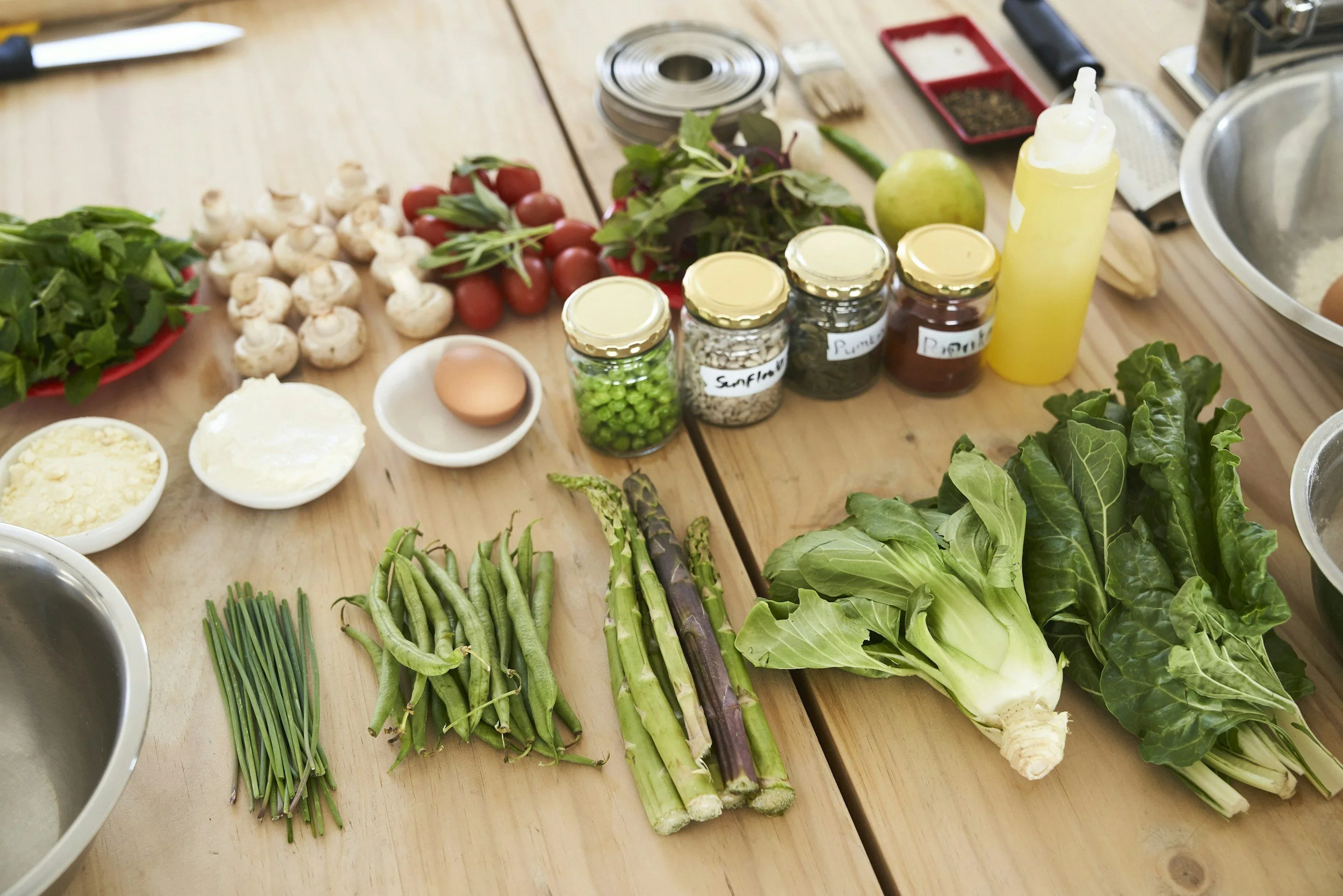
“…meal prepping is your secret weapon to saving time, reducing stress, and making clean eating feel effortless.”
Meal prepping is one of the most effective ways to eat clean and stay healthy—and yet, for our family, it was one of the hardest habits to adopt.
Both my husband and I were deep in the trenches of demanding corporate jobs, and—as is always the case—time was our most limited resource. We had all the right intentions: work hard, raise our kids, keep the household afloat, and eat clean. But somehow, those goals always seemed to clash like fire and ice.
I was getting increasingly frustrated spending an hour (or more) cooking wholesome meals, after a long work day, only to return to a post-dinner war zone of a kitchen after putting the kids to bed. And since I lean a tiny bit Type A (ish), leaving dishes until the morning wasn’t an option. So there we were—scrubbing, wiping, and wrestling with pots and pans until 10 or 11 pm, while quality time with my husband (or, let’s be honest, alone time with a good book) went completely out the window.
Something had to give.
We knew we needed a more disciplined, streamlined approach to free up our evenings—and that’s when meal prepping entered the chat. To be honest, it took some time to get used to it, but we decided we had to carve out a chunk of our weekends to plan, shop, and prep for the week ahead. And let me tell you...
Meal prepping is a game changer when it comes to clean eating!
Without a plan, things can spiral fast. Hunger strikes, kids are suddenly starving (like five minutes ago), and you're left at the mercy of whatever's quickest and easiest—which is rarely the healthiest. Add a picky eater or two into the mix, and you're likely reaching for starchy, sugary, processed options just to avoid a short-term meltdown.
And let’s not forget the decision fatigue. Because the last thing I want to do after a long day at work is brainstorm a dinner the entire family will actually eat. No thanks. That’s a full-time job in itself.
Here are a few steps I learned along the way that now makes it so much easier to meal plan. And even though I no longer work full time, we still plan ahead to free up time for me to spend more quality time with my kids after school instead of being tied up in the kitchen every evening. Win win!
Step 1: Plan Your Meals
As simple as it sounds, this first step is key: choose simple, balanced meals that fit your schedule and preferences. Grab a pen, a notepad, and your kids—yes, even the picky ones—and map it all out on a family meal calendar, or just a piece of paper you’ll then stick on the fridge for reference and guidance later in the week. When my picky eater helps choose the meals and sees them written down, it gives him a sense of ownership. And more often than not, he’ll happily gobble it up (or at least try it) if he had any say in it.
When it comes to clean eating, balance is everything. A well-rounded meal should include lean protein, healthy fats, fiber, and plenty of fresh produce. Sure, there are loads of colorful charts online to show the "ideal" plate, but I’m a big believer in listening to your body and following a more individualized approach. Everyone’s nutritional needs differ depending on age, deficiencies, inflammation markers—you name it.
That said, here’s a visual guideline that works for most:
1/4 of your plate: quality protein (aim for 15–30g+ depending on your needs)
1/2 your plate: non-starchy veggies like zucchini, brussels sprouts, asparagus, onions, green beans, or cauliflower
1/4 of your plate: Whole grains like brown rice, quinoa, millet, or a starchy/root veggie like acorn squash, butternut squash, sweet potatoes, etc..
A tablespoon of healthy fat: think olive oil, nuts, seeds, nut butters, grass fed butter, or avocado
[Click here for a full list of clean-eating foods by category.]
Back when we were using HelloFresh, I saved every single recipe card in a binder—which we still pull out for inspo when planning our meals. You might be wondering, “If you loved it so much, why’d you stop?” Fair question. As convenient as it seemed at first, the meals got a little repetitive, the repeated sauces made everything taste the same, and after my celiac diagnosis, avoiding gluten became a challenge. Also? It still took longer than advertised and left my kitchen looking like a culinary hurricane passed through. But hey, their recipe cards? Still gold for inspiration.
Want more clean dinner inspo? Check out our favorite family recipes [here].
Step 2: Make a Shopping List & Stick to It
Make your grocery list—and stick to it like your sanity depends on it (because... it kinda does). Without a list, you're more likely to come home with six bags of snacks, a mystery veggie you won’t touch, and none of the staples you actually need.
Quick tip: buy in bulk when it makes sense. It’ll save you money and make batch cooking a breeze.
Another quick tip: if you can, don’t bring your kids to the grocery store. I know, I know—some say it's educational, a bonding moment, whatever. But if you want to get in, get out, and still have time to enjoy your weekend solo grocery trips are the way to go. Meal planning for a whole family is a team effort so bonus point if your partner (or grandparent, neighbour, aunts/uncles) watches the kids while you shop in peace—bliss!
Step 3: Batch Cooking & Prepping Essentials
Speaking of bulk, cooking in bulk is where the magic happens. I’ll often buy a big pack of chicken breasts, cook them up, and freeze them in family-size portions. Or marinate a few bags and freeze. We’re a household of four, so I portion them into bags of four and stash them in the freezer for easy weeknight meals.
Veggies? Wash, chop, and store those babies. Not only does it save you time, but it encourages the whole family to snack on the good stuff between meals too. Prepping veggies ahead also makes dinner assembly a total breeze—less chopping, quicker cooking and faster meals out on the dinner table.
Step 4: Smart Storage & Portioning
Batch cooking’s best friend? Smart storage. I love using glass containers and mason jars, but let’s be real—they take up space in your freezer fast. BPA-free plastic containers or bags can be a great alternative: lighter, stackable, and quicker to thaw when you're in a rush.
Label everything. Date everything. Trust me, your future self will thank you. Otherwise, you’ll be standing in front of the fridge squinting at a frozen mystery bag wondering, “Is this curry from last week or 6 months ago?” (Ask me how I know.)
Step 5: Make It a Habit & Stay Flexible
Once you’ve got a system down, it gets easier—and dare I say, even a little fun? But the key is starting small. Try batch-prepping your proteins first. They’re usually the most time-consuming, and having them ready gives you a huge head start.
Then, level up with a batch of cooked quinoa, or pre-boiled sweet potatoes that you can roast or reheat on a whim. These small steps will save your time and keep the delivery apps at bay.
Remember, the goal isn’t rigid perfection—it’s having enough healthy options prepped so you can build meals on the fly without sacrificing your wellness goals. When your fridge is stocked with prepped goodness, spontaneous dinners become a whole lot smarter and way less stressful.
In short, meal prepping is your secret weapon to saving time, reducing stress, and making clean eating feel effortless. Sure, it might feel like extra work at first—but stick with it. Start small and let those little steps lead to big impact. Before you know it, meal prepping will become second nature, seamlessly slipping into your routine no matter how busy life gets. And trust me, your future self (and your sanity) will thank you.
Start where you are. Nourish what matters.
nrshYOU
Follow @nrshYOU on Instagram for more clean eating tips and meal prep inspiration!!